
Estrous Cycle
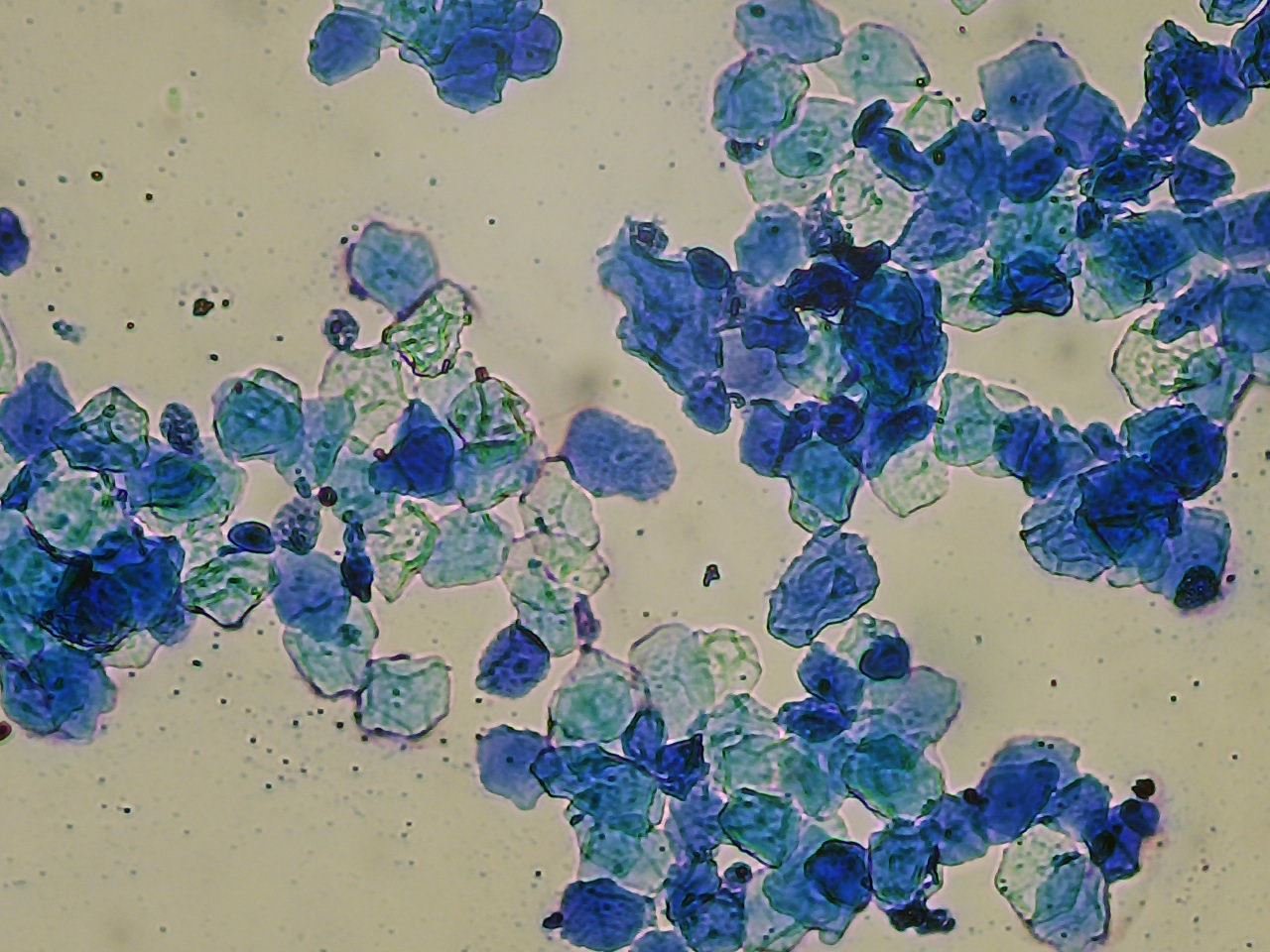
Representative vaginal cytology showing metestrus phase. Mouse vaginal smear stained to identify cellular morphology, characterized by a mixed population of nucleated epithelial cells, cornified cells, and leukocytes used to track estrous cycle phases in behavioral neuroscience studies. (Photo: Bobadilla Lab)
Substance use disorders continue to present a major public health crisis, with post-relapse opioid overdoses escalating alongside the ongoing opioid epidemic. Historically, preclinical addiction research has predominantly focused on male subjects, leaving critical gaps in our understanding of how sex and ovarian hormones influence vulnerability to drugs like fentanyl (De Sa Nogueira et al., 2021). Clinical and preclinical evidence demonstrates that females often exhibit distinct behavioral responses to opioids, including differences in acquisition, sensitivity, and drug-seeking behavior (De Sa Nogueira et al., 2021). Ovarian hormones, such as estradiol, modulate dopamine-mediated reward circuitry, suggesting that the physiological fluctuations of the estrous cycle can significantly alter reward processing and therapeutic efficacy (Gaulden et al., 2021).
At the same time, psychedelic compounds are emerging as promising novel therapeutics for substance use disorders, showing unique potential to induce neuroplasticity and mitigate addictive behaviors. However, the interaction between these therapies and sex-specific neurobiology remains poorly understood (Marecki et al., 2026). This project utilizes murine models to closely monitor and characterize the estrous cycles of female subjects via daily vaginal cytology. By determining the specific behavioral and hormonal phases of the estrous cycle, our research aims to uncover how female-specific neuroendocrine profiles impact fentanyl-seeking behavior and how emerging psychedelic therapies differentially modulate reward pathways in females (Gaulden et al., 2021; Marecki et al., 2026).
Project Significance & Core Objectives
Accounting for Hormonal Variance:
Integrating daily vaginal cytology into murine models to control for estrous cycle fluctuations and bridge historical gaps in female-focused addiction research.
Evaluating Therapeutic Efficacy:
Investigating how sex-specific neuroendocrine profiles and physiological phases alter fentanyl-seeking behavior and influence the neurobiological mechanisms of emerging psychedelic therapies.